
Ödəniş Təhlükəsizliyi və 2FA: Azərbaycanda Onlayn Mərc Tədbirləri
In Azerbaijan’s digital landscape, engaging with online gambling platforms requires a sharp focus on security and privacy. Every transaction, from depositing manat to withdrawing winnings, involves sharing sensitive personal and financial data. This step-by-step guide provides a checklist-driven approach to building a robust security framework for your activities. We will analyze common risks, from payment fraud to weak authentication, and outline a clear decision-making process to safeguard your information. Remember, a secure platform like pinco casino prioritizes these features, but the ultimate responsibility for your digital safety lies with the informed choices you make. Let’s begin with the foundational step: evaluating platform security before you even create an account.
Pre-Registration Security Checklist – What to Verify First
Your security journey starts long before you enter a username. A thorough pre-registration check can filter out potentially risky platforms and set the stage for a safer experience. This proactive analysis focuses on the visible indicators of a platform’s commitment to security and regulatory compliance.
- Check for a valid gambling license from a recognized international regulator such as the Malta Gaming Authority or the UK Gambling Commission. This is non-negotiable.
- Locate the platform’s privacy policy and terms of service. A legitimate site will have these documents easily accessible and written in clear language.
- Look for security certifications, particularly SSL/TLS encryption. Verify this by checking for a padlock icon and “https://” in the website’s address bar.
- Research the platform’s reputation through independent user reviews and forum discussions, focusing on comments about payout reliability and customer support.
- Examine the available payment methods. The presence of reputable, well-known e-wallets and direct bank transfer options is a positive sign.
- Confirm the availability of responsible gambling tools, such as deposit limits and self-exclusion options, within the account settings.
- Note the transparency of ownership and operational history. A platform with a clear corporate structure is generally more accountable.
Fortifying Your Account – Authentication and Access Control
Once you have selected a platform, the next critical phase is securing your account itself. Weak passwords and single-factor authentication are the primary reasons accounts are compromised. This section details how to build a strong defensive layer around your login credentials. Mövzu üzrə ümumi kontekst üçün problem gambling helpline mənbəsinə baxa bilərsiniz.
A strong password is your first line of defense, but it is no longer sufficient on its own. The modern standard for account security involves multiple layers of verification.
Creating an Unbreakable Password and Enabling 2FA
Two-Factor Authentication (2FA) adds a critical second step to the login process. Even if someone discovers your password, they cannot access your account without the second factor, which is typically a code generated by an app on your phone or sent via SMS.
- Create a unique password that is at least 12 characters long, combining uppercase and lowercase letters, numbers, and symbols.
- Never reuse a password from your email, social media, or banking accounts for your gambling account.
- Use a reputable password manager to generate and store complex passwords securely.
- Immediately enable Two-Factor Authentication (2FA) in your account security settings, if the platform offers it.
- Prefer an authenticator app like Google Authenticator or Authy over SMS-based 2FA, as apps are more resistant to SIM-swapping attacks.
- Securely store your 2FA backup codes in a safe place, separate from your primary device.
- Regularly review your account activity logs, if available, to check for any unrecognized login attempts or sessions.
- Avoid logging into your account from public Wi-Fi networks or shared computers, such as those in internet cafes.
Secure Payment Practices for Azerbaijani Users
Financial transactions are the core of the online gambling experience and a major target for fraud. Using secure payment methods and understanding transaction protocols can protect your manat from unauthorized access. Azerbaijani users should be particularly mindful of currency conversion and local banking policies.
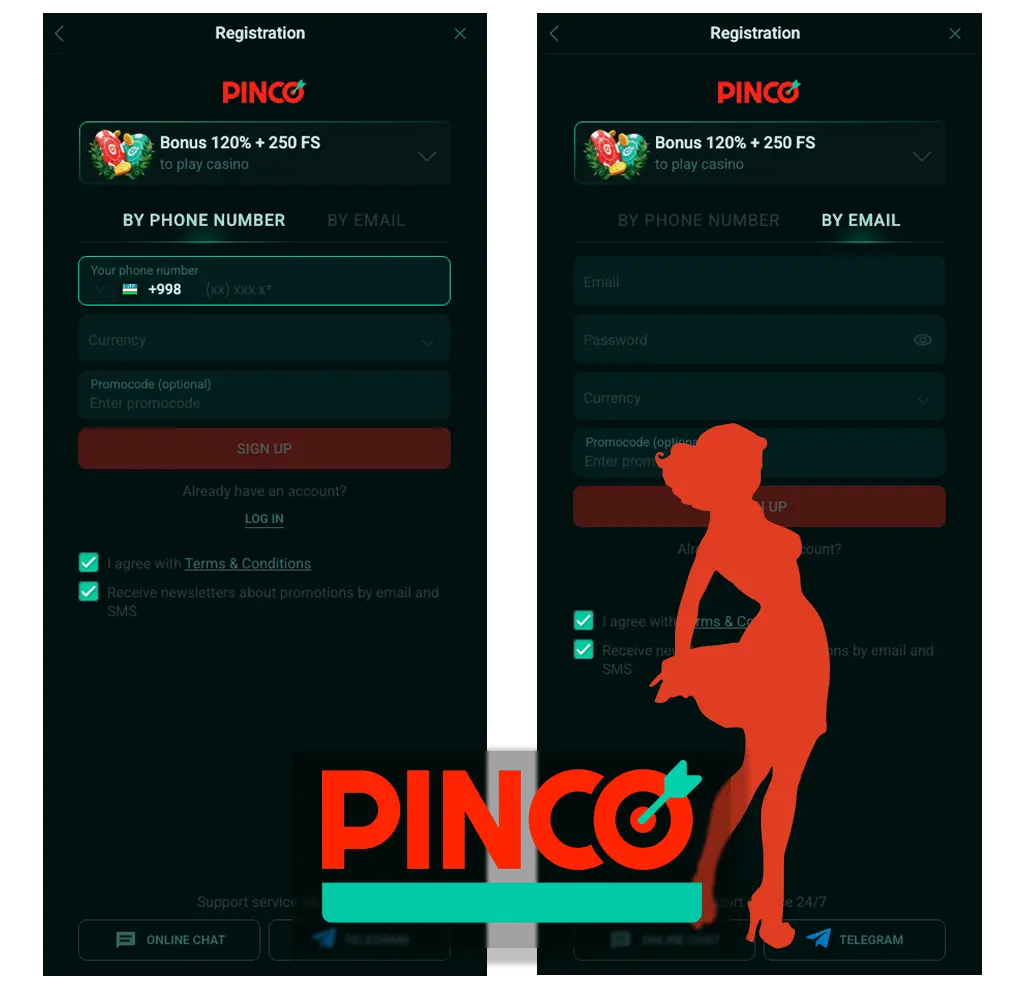
Different payment methods offer varying levels of privacy and security. Your choice should balance convenience with robust fraud protection mechanisms.
| Payment Method | Security Level | Privacy Level | Key Considerations for AZ |
|---|---|---|---|
| Bank Card (Visa/Mastercard) | High | Medium | Direct link to your bank account; enables chargebacks. Monitor statements for AZN transactions. |
| E-Wallets (e.g., Skrill, Neteller) | Very High | High | Acts as a buffer; your card/bank details are not shared with the gambling site. Check for AZN support. |
| Prepaid Cards/Vouchers | High | Very High | No personal financial data is transmitted. Limits are fixed, aiding budget control. Availability may vary. |
| Mobile Payments | Medium-High | Medium | Convenient but depends on your mobile operator’s security. Verify transaction confirmations. |
| Cryptocurrency | Variable | Very High | Decentralized and private. Security depends entirely on your wallet management. High volatility in AZN value. |
| Direct Bank Transfer | High | Low | Traceable and secure but slow. Your full name and account details are visible to the recipient. |
Common Security Mistakes and How to Avoid Them
Many security breaches occur not because of sophisticated hacking, but due to preventable user errors. Recognizing these common pitfalls is essential for developing safer online habits. This checklist highlights frequent mistakes and provides direct alternatives. Qısa və neytral istinad üçün 2FA basics mənbəsinə baxın.
- Mistake: Using simple, easy-to-guess passwords like birth dates or sequential numbers. Solution: Use a password manager to create and store complex, random passwords.
- Mistake: Disabling or ignoring Two-Factor Authentication because it adds 10 seconds to login. Solution: Treat 2FA as a mandatory step, not an optional inconvenience.
- Mistake> Clicking on links in unsolicited emails or messages claiming to be from customer support. Solution: Always navigate to the website directly by typing the URL.
- Mistake: Sharing account credentials with friends or family, even for a single use. Solution: Keep your login information strictly private under all circumstances.
- Mistake: Failing to log out after a session, especially on a shared or mobile device. Solution: Make a habit of manually logging out every time.
- Mistake: Downloading software or bonus “cheats” from unverified third-party sites. Solution: Only use the official website or app store for any downloads.
- Mistake: Not reviewing transaction history and account statements regularly. Solution: Set a weekly reminder to check for any unauthorized activity.
- Mistake: Using the same email address for your gambling account that you use for sensitive services like online banking. Solution: Create a dedicated email address for this activity.
Understanding Platform-Side Anti-Fraud Systems
While you manage your personal security, reputable platforms deploy sophisticated anti-fraud systems on their end. Understanding how these systems work can help you avoid triggering false alarms and appreciate the layers protecting your data. These systems analyze patterns to detect and prevent malicious activity.
Anti-fraud technology monitors for unusual behavior that deviates from your established patterns. This includes login attempts from new locations or devices, sudden changes in betting behavior, or rapid sequences of financial transactions.
- Behavioral analysis tracks your typical deposit amounts, game preferences, and login times to establish a baseline.
- Device fingerprinting identifies the specific computer or phone you use to access your account, noting any unrecognized devices.
- IP address monitoring flags logins from geographical locations that are improbable based on your history.
- Transaction pattern detection identifies suspicious payment activity, such as multiple failed card attempts or rapid deposits from different sources.
- Know Your Customer (KYC) protocols require document verification to ensure the account holder is who they claim to be, preventing identity theft.
- Automated systems can temporarily freeze accounts for review if multiple high-risk flags are triggered simultaneously.
- These systems work silently in the background, and their effectiveness is a key indicator of a platform’s overall security maturity.
Data Privacy – What Happens to Your Information
Beyond immediate financial security, you must consider the long-term privacy of your personal data. This includes your name, address, identification documents, and play history. Azerbaijani data protection norms should be considered alongside the platform’s international policies.

A platform’s privacy policy is the legal document that outlines how your data is collected, used, stored, and shared. It is crucial to understand its key points before agreeing to it.
- Identify what specific data is collected: contact details, financial data, identification documents, and technical data like your IP address.
- Determine the stated purpose for data collection, which should be limited to account management, fraud prevention, and legal compliance.
- Check if the platform shares data with third-party partners, such as payment processors or game providers, and for what reasons.
- Look for information on data retention policies – how long your data is kept after you close your account.
- Verify the geographical location of the servers where your data is stored and the applicable data protection laws.
- Confirm your rights regarding your data, such as the ability to request access to it or request its deletion, subject to regulatory holds.
- Be cautious of platforms that claim broad rights to use your data for unrestricted marketing or sharing with “affiliates” without clear definition.
Building Your Personal Security Decision Framework
Integrating all these elements into a consistent personal framework turns isolated tips into habitual, safe practices. This final section synthesizes the previous checklists into a continuous cycle of evaluation, action, and review for Azerbaijani users.
Your security framework is a living process, not a one-time setup. It involves initial due diligence, ongoing maintenance, and periodic reassessment of both your habits and the platform’s performance.
- Initial Assessment Phase: Before registration, complete the pre-registration checklist. License, encryption, and policy review are mandatory steps.
- Account Hardening Phase: Upon account creation, immediately set a unique password, enable the strongest available 2FA, and configure privacy settings.
- Transaction Protocol Phase: Choose a payment method from the secure end of the spectrum (e-wallet, prepaid) and stick to it. Monitor all AZN transactions.
- Operational Vigilance Phase: Practice safe browsing, avoid phishing attempts, log out after sessions, and never share credentials.
- Regular Audit Phase: Weekly, check account activity and transaction history. Monthly, reconsider your password strength and review any platform security updates.
- Policy Review Phase: Every few months, or after a major platform update, re-skim the privacy policy and terms for changes.
- Exit Strategy Consideration: Understand the account closure and data retention process should you decide to stop using the platform.
By methodically applying this framework, you shift from being a passive user to an active guardian of your own digital and financial well-being. Security in online gambling is a shared responsibility, and your informed, vigilant approach is the most critical component. Consistent application of these steps significantly reduces your exposure to common risks and creates a sustainable foundation for a safer online experience.